

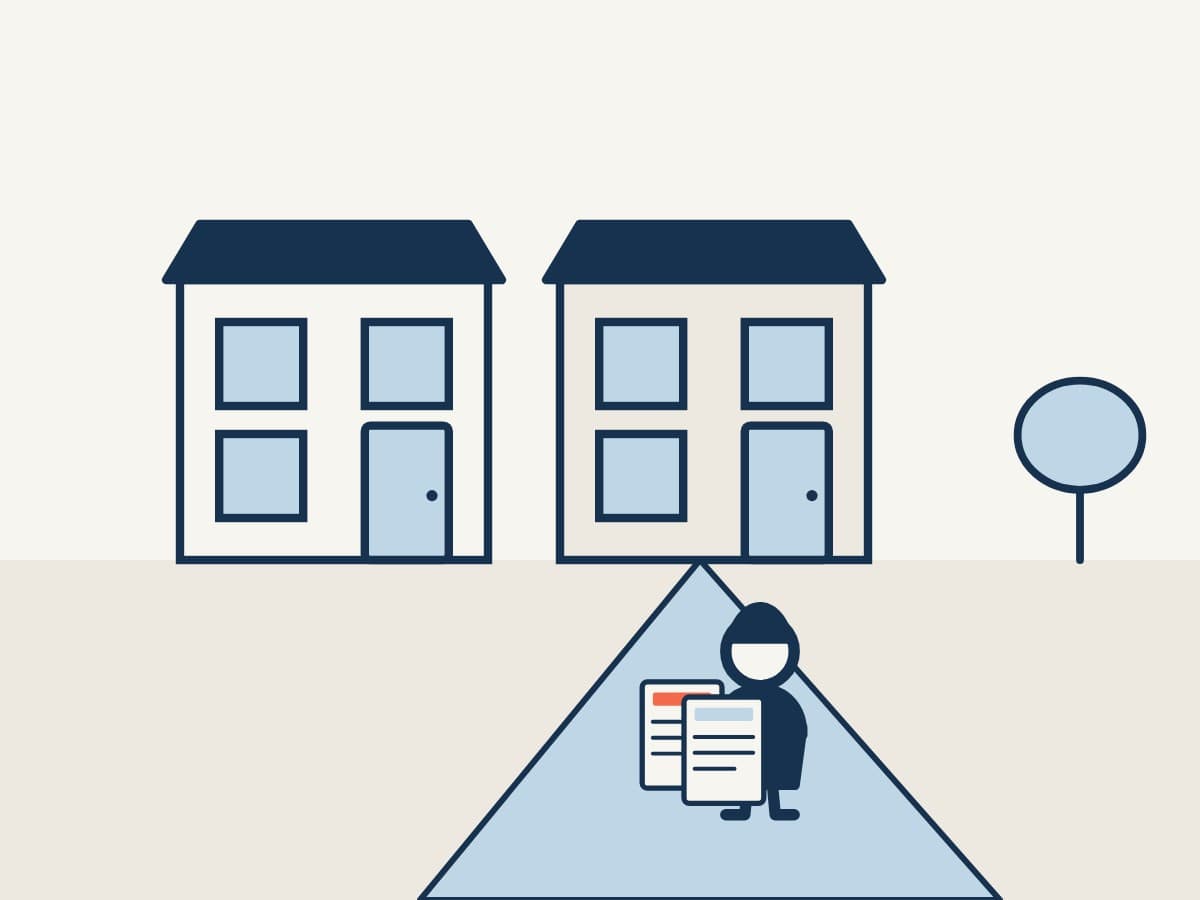
The two routes after a non-fault accident
When another driver causes an accident, you have two ways to claim. The route you choose determines whether you pay an excess, whether your no claims discount is affected, and what kind of replacement vehicle you get.
Route one: claim on your own policy
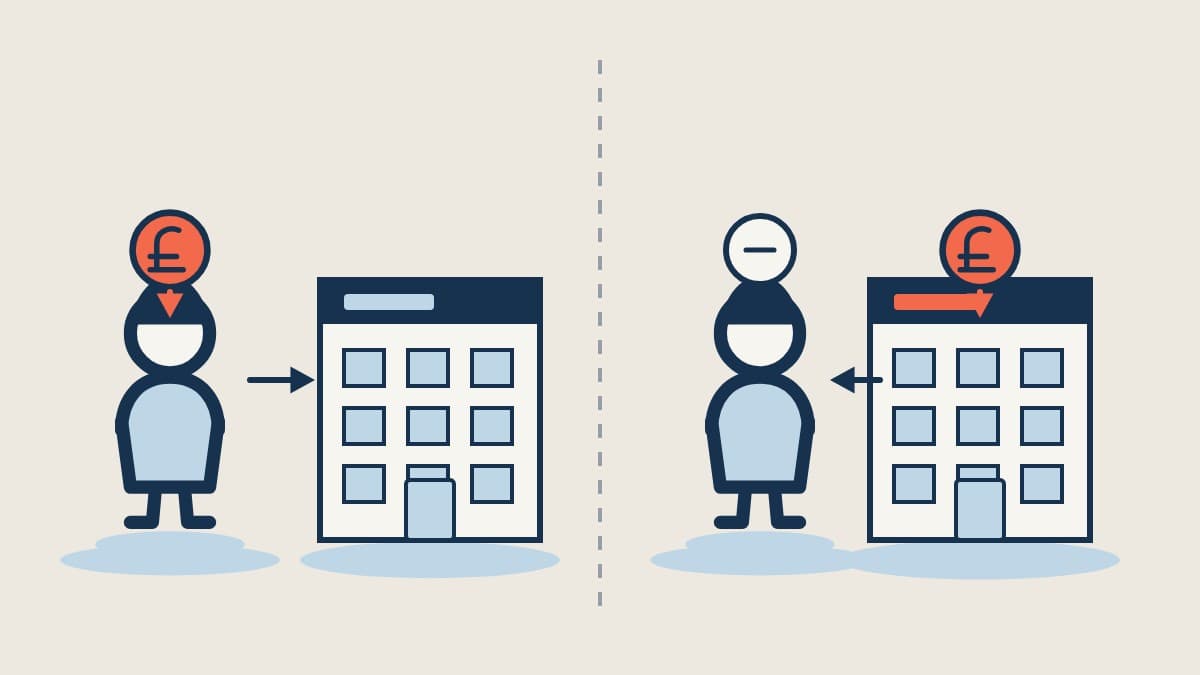
You notify your insurer, pay your excess, and they arrange the repair. Your insurer then pursues the at-fault driver's insurer to recover that money. If they succeed, your excess is refunded and the claim may be recorded as non-fault. That process can take months, and there is no guarantee the recovery will be made in full. Your no claims discount may be affected while the claim remains open.
Route two: claim from the driver who hit you
When someone else caused the accident, their insurer is liable for your losses. You do not need to use your own policy at all. An accident management company acts on your behalf to recover everything from the at-fault insurer: the repair or write-off value, a like-for-like replacement car, and any out-of-pocket costs. Nothing goes through your policy. How a third party insurance claim works.
Side by side
Every row on the left describes how an own-policy claim works, not with any particular insurer, but with all of them. The structure is the same across the industry.
Why the difference exists
A claims department employed by your insurer works in your insurer’s interests. That is not criticism, it is just what they are paid to do. When you claim on your own policy, your insurer manages the cost of your claim. When you use an accident management company, we work for you and recover our costs from the at-fault insurer. The financial relationship is different, and so is the outcome. How accident management works.
When your insurer is the right call
There are situations where claiming on your own policy is the correct route. We will tell you if your situation is one of them on the first call.
- The accident was your fault, or partly your fault. If liability falls on you or is genuinely shared, the at-fault driver’s insurer will not meet your costs. Your own policy is the right starting point.
- The other driver was uninsured or drove off. If the other driver cannot be traced or had no valid insurance, there is no insurer to claim from. A separate process applies. What to do if hit by an uninsured driver.
- Fault is genuinely disputed and there is no evidence. If both accounts conflict and no independent evidence exists, the position may not support a third-party claim. We will assess this on the first call, before you sign anything.
The catch
We can only act on your behalf when someone else was clearly at fault and holds valid motor insurance. The mechanism that funds the replacement car and covers our costs works by recovering those costs from the at-fault insurer. If fault cannot be established, that recovery is not available. How credit hire works.
Frequently asked questions
Is it better to claim through my insurer or an accident management company?
If the accident was not your fault and the other driver is insured, an accident management company means you pay no excess, nothing goes through your own policy, and you get a like-for-like replacement car from the start. Claiming on your own policy involves paying your excess upfront while your insurer pursues the at-fault insurer to recover it, which is a process that takes time and is not guaranteed. The right route depends on your circumstances. Call us and we will tell you which one applies.
What’s the catch?
The non-fault route only works when someone else was clearly at fault and holds valid motor insurance. If fault is disputed, or the other driver was uninsured or left the scene, we cannot recover costs from their insurer. We check this on the first call, before you sign anything.
When should I claim on my own insurance instead?
Claim on your own policy if the accident was your fault, if fault is genuinely shared, if the other driver was uninsured, or if they left the scene without leaving details. In those situations, the third-party route is not available and your own cover is the right starting point.